 Analysis by Gamescozy
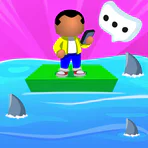
I like trivia games that turn a little knowledge into a quick decision, and Text or Die puts an unusual twist on that idea: answers are judged by their length, not just whether they are correct. The basic challenge is easy to grasp, but the threat of sharks gives each prompt a sharper edge. It is a light, slightly absurd way to pass a few minutes, especially if you enjoy word games and can think under pressure.
Long answers, short decisions
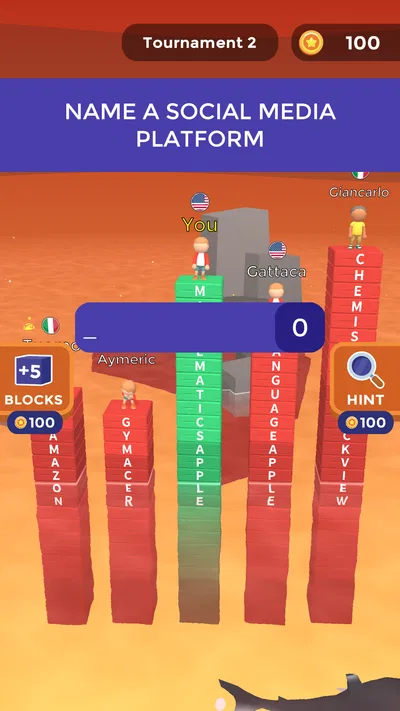
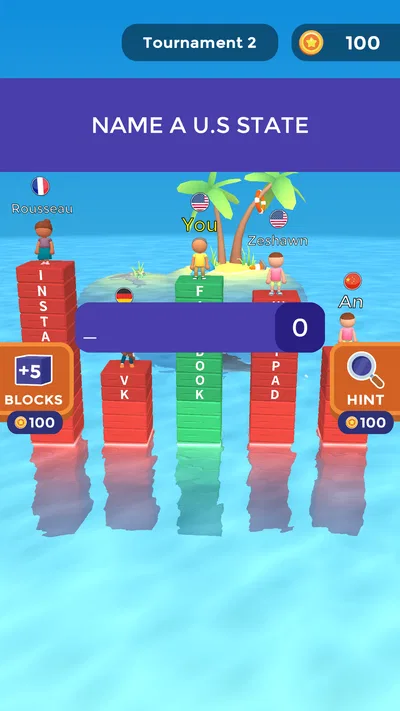
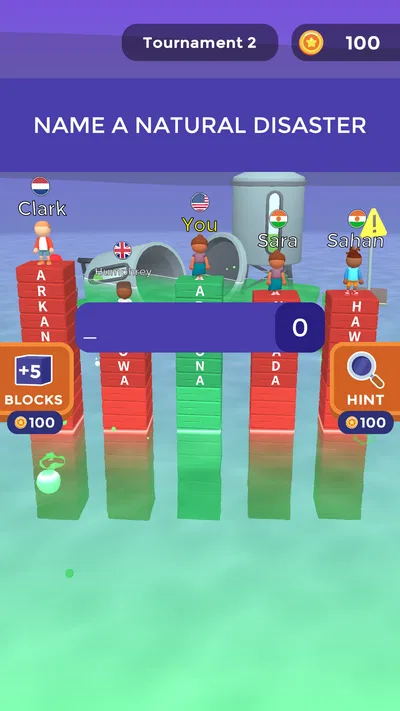
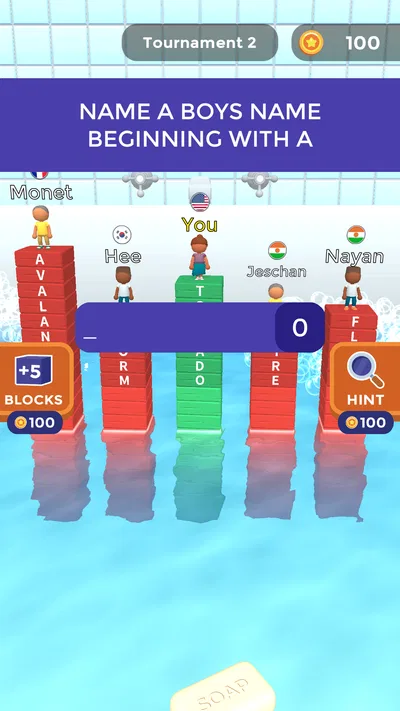
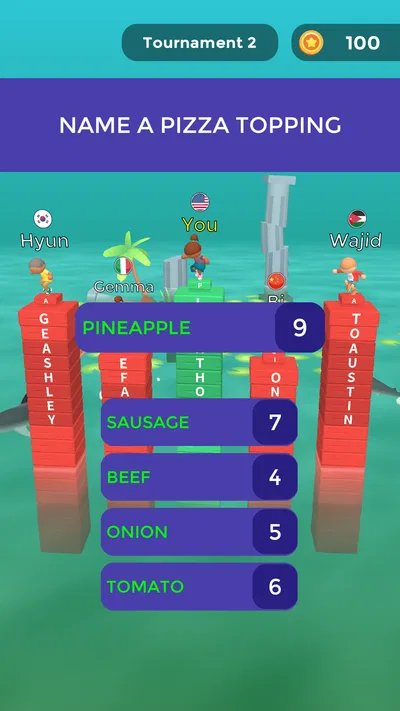
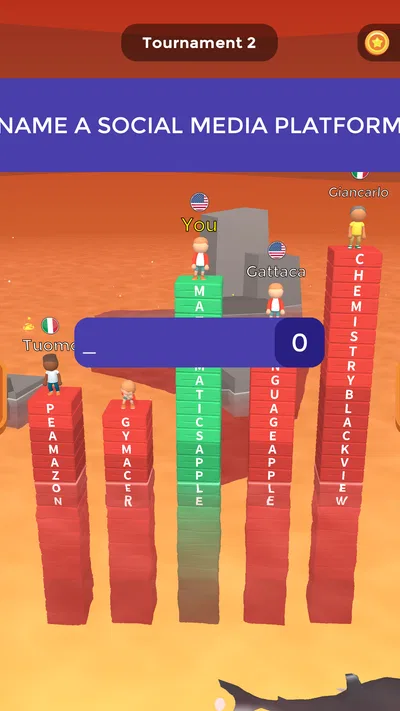
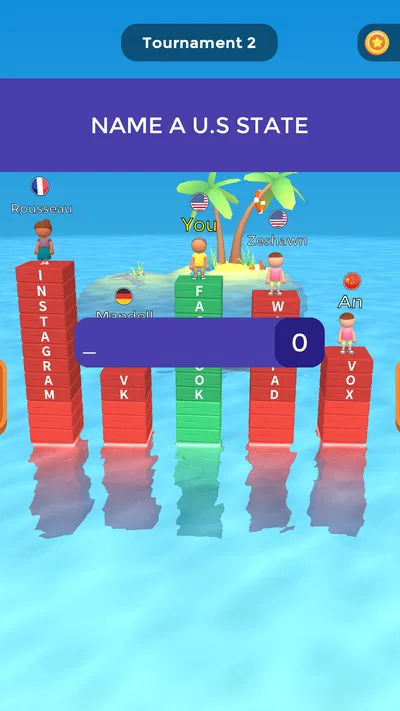
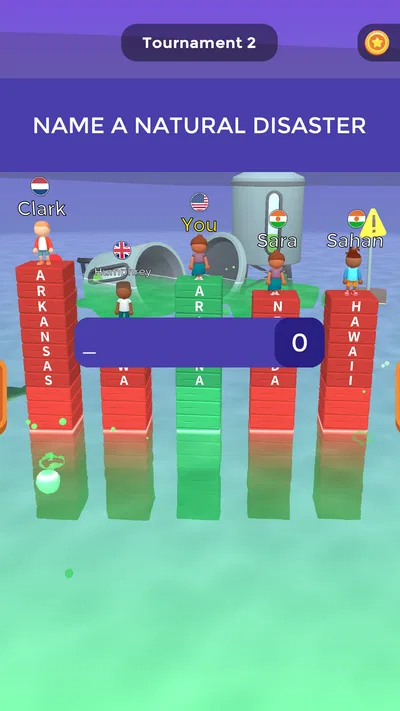
This is a free trivia game from Rollic Games, with a texting-themed presentation and a simple central aim: produce a long answer that fits the prompt. The game sits somewhere between a word puzzle and a party quiz. Instead of searching for the single expected response, I have to think of a valid answer with enough letters to help me stay safe from the sharks.
That changes how I approach familiar trivia. A prompt may bring one obvious answer to mind, but the first answer is not always the best one here. If I can recall a longer example that still clearly fits, that extra length can matter. The fun comes from balancing speed, accuracy, and vocabulary rather than simply proving that I know a fact.
The premise works particularly well in short sessions. I can open it when I have a few spare minutes, answer a prompt, and get the appeal without needing to learn a complicated ruleset. The visual threat is silly rather than grim, which suits the game’s broad, casual tone. Its age rating is Everyone 10+, a useful point for families considering whether the style is appropriate for younger players.
Why the length rule changes trivia
In a conventional quiz, a short correct answer is usually as good as a long one. Here, answer length becomes a strategic resource. I find myself mentally sorting possibilities: which response is both relevant and longer, and which one can I type before the moment passes? That small shift makes even a familiar category feel less routine.
A practical tip is to avoid locking onto the first association that comes to mind. When the prompt is broad, quickly scan for a longer example rather than typing immediately. The trade-off is that searching for an ideal answer can cost time or confidence. If I am unsure whether a longer response will be accepted, a concise answer I know fits may be safer than an ambitious guess.
This makes the game a better fit for people who enjoy word association and recall than for players who want carefully explained factual lessons. It rewards a quick mental inventory of examples, not research or deep study. I would not treat it as a dependable way to learn a subject; its strongest use is entertainment built around what I can remember in the moment.
Pressure, progress, and the useful habit of thinking ahead
The shark premise gives the answer-length mechanic a clear consequence. Rather than feeling like an abstract scorekeeping trick, each response has a survival purpose. That pressure can make an ordinary prompt feel surprisingly tense, particularly when I have several possible answers but only a moment to choose between them.
One helpful way to play is to build flexible categories in your head. For a prompt about animals, for instance, think beyond the first familiar creature and consider longer names you can spell confidently. For a place-related prompt, recall a specific location rather than stopping at a broad label. These are general strategies for the game’s word-length challenge, not guaranteed winning formulas; the prompt and the answer’s fit still matter.
The same pressure is also a limitation. If I want a calm word puzzle where I can pause, inspect clues, and revise an answer at leisure, this is not the best match. The quick-response premise favours instinct and recall. It can be frustrating when I know a good answer but cannot settle on wording quickly, or when I prefer a clear right-or-wrong trivia format over judging answers partly by length.
For an everyday scenario, I can see it working during a short break when a friend or family member is nearby: one person reads a prompt, and everyone starts searching for the longest suitable response they can think of. Even without making it a formal group activity, the format gives people an easy conversation starter—comparing answers and explaining why one possibility is longer or more specific. It is less suited to a commute where typing attention is divided, or to a moment when I need a quiet, interruption-free puzzle.
How it compares with other trivia and word games
Compared with standard multiple-choice trivia, this game asks me to generate an answer rather than recognize one from a list. That makes it feel more personal: vocabulary, spelling confidence, and quick recall all shape how I respond. Compared with a crossword or a slow word-search game, it offers less room for careful deduction and more emphasis on immediate decisions.
That distinction helps me decide who should try it. If you enjoy party-style prompts, word association, or the small thrill of finding a better answer at the last second, the format has a clear hook. If you want detailed explanations after each question, a structured learning path, or a purely skill-based spelling challenge, a traditional quiz or a slower word puzzle may serve you better.
There is also a trade-off in the length-first design: longer does not automatically mean more informative or more interesting. The game’s fun comes from the constraint, not from a promise that each answer opens up a deeper fact. I would approach it as a playful challenge rather than a knowledge reference, and that expectation makes the experience easier to enjoy.
Fairness, purchases, and what I can judge
The game is free to download, with in-app purchases listed from $0.99 to $24.99 per item. That establishes that optional paid items are part of the experience, but it does not tell me what each item contains or whether spending changes the challenge. I would not assume that purchases provide an advantage, remove interruptions, or unlock particular content without knowing what is offered in the app.
For that reason, I separate the game’s core appeal from its spending details. The word-length premise is understandable without treating a purchase as necessary, while the available price range is a reason for parents or anyone managing a budget to check the purchase options before handing over a device. The rating information offers useful context too: the game is rated Everyone 10+, so I would consider both that guidance and the family’s own preferences before letting a younger player use it.
Fairness is also difficult to judge from the premise alone. A longer answer is not always obviously better if it is vague or does not fit the prompt, so I value answers that are both specific and easy to defend. My practical advice is to choose a longer response only when its connection to the question feels clear. That avoids turning the game into a contest of stretching words just to add letters.
Who should play, and who may want another option
I would recommend giving it a try if you want a free, casual trivia game with an unusual word-game constraint. It is especially appealing to players who like generating answers, can think quickly, and enjoy a little comic danger around otherwise simple prompts. Rollic Games’ title has reached over ten million installs and holds an average rating of 4.1 from around 285,000 ratings, which gives a broad sense of its audience without guaranteeing that its pace will suit every player.
I would skip it if your main goal is relaxed learning, a detailed quiz explanation, or a puzzle you can solve slowly. It may also be a poor fit if typing under time pressure makes games feel stressful rather than exciting. In those cases, a conventional trivia app with selectable answers or a turn-free word puzzle is likely to be more comfortable.
The game has had a long enough life to receive updates: it was released on August 14, 2021, and its current version is 30.2.2. Those details help identify the edition, but they do not by themselves tell me what changed between updates. I would check the app store’s current device requirements before installing; the listed minimum operating system is version 7.0.
My verdict on this shark-filled word challenge
The strongest reason to try Text or Die is its simple but effective twist: a trivia answer has to be more than correct; it has to be long enough to help. That gives quick prompts a memorable bit of tension and rewards players who can search their vocabulary without getting stuck on the obvious response.
I see it as a casual diversion, not a complete trivia course or a slow, meditative word puzzle. The free entry point makes it easy to sample, while the listed in-app purchase range is worth keeping in mind and does not, on its own, establish what spending changes. If you like fast recall and playful competition, I think it is worth a try. If you want explanations, unhurried solving, or clearly documented purchase effects before deciding, choose a different style of game or inspect the current purchase details first.